
March 27, 2026
Agency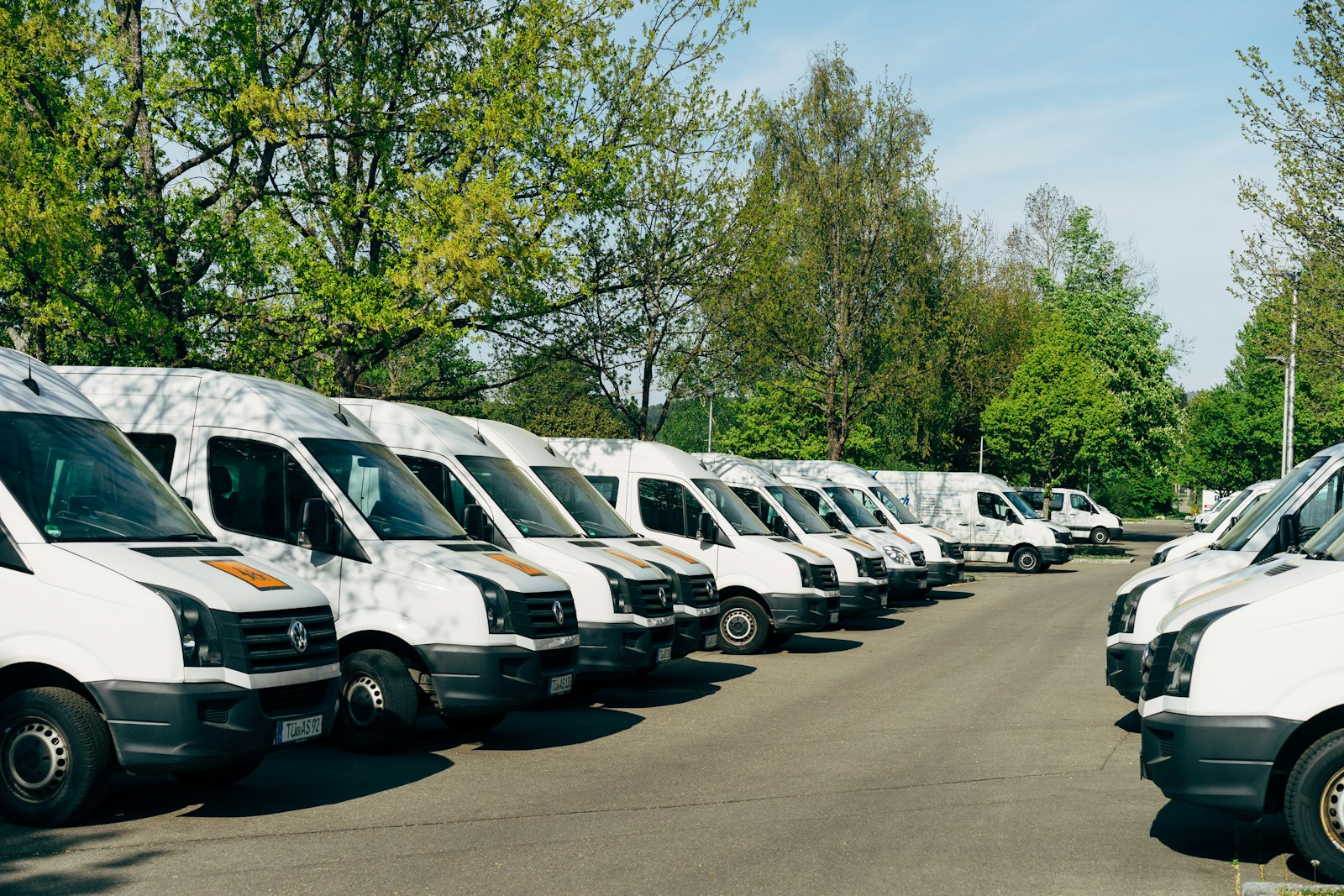
Commercial Auto vs. Hired & Non-Owned Auto Insurance
Understanding the right commercial auto insurance for your business vehicles is essential for financially protecting your company, your employees and your bottom line.
We know that North Carolina business owners often have questions about the differences between commercial auto insurance and hired/non-owned auto (HNOA) insurance, and we’re here to help.
What Is Commercial Auto Insurance?
Commercial auto insurance covers vehicles owned or leased by your business. This policy typically includes liability coverage, collision coverage, comprehensive coverage and uninsured/underinsured motorist coverage. In most states, businesses that operate vehicles are required to carry this policy.
What Is Hired & Non-Owned Auto Insurance?
Hired & non-owned auto insurance (HNOA) covers vehicles your business uses but does not own. “Hired” refers to vehicles you rent or borrow for business purposes, while “non-owned” applies to employees’ personal vehicles used for work tasks. This offers liability coverage if your business is held responsible for an accident involving these vehicles.
Key Differences and When Each Is Needed
The main difference between these two policies is ownership: commercial auto covers vehicles owned by your business, while HNOA covers vehicles you don’t own but use for business. Some businesses may need both types of coverage, especially if they have a mix of company-owned and employee-driven vehicles.
How Our Team Can Help You
At Hampton Insurance Services, our team will work with your business to assess your risk exposure and recommend the right combination of commercial auto and HNOA coverage. We will help you understand your options, check compliance with state and lender requirements and tailor policies to fit your operations.
Contact us today to discuss your commercial auto insurance needs or request a quote.
This blog is intended for informational and educational use only. It is not exhaustive and should not be construed as legal advice. Please contact your insurance professional for further information.
Categories: Blog, Commercial Auto